
How to Prepare for a Hike in a Foreign Country
Hiking abroad is one of the most rewarding ways to explore a new country. But crossing borders adds a layer of complexity that can catch even experienced hikers off guard. From navigating permit systems to ensuring you're covered if something goes wrong, a little preparation before you leave home makes all the difference on the trail.
▶ Travel & Hiking Insurance
This is the single most important thing to sort out before you travel. Standard travel insurance often does not cover high-altitude hiking, scrambling, or backcountry trekking. You need a policy that explicitly covers your planned activity.
What to look for in a policy
When shopping for coverage, make sure your policy includes the following:
- Emergency medical evacuation (helicopter rescue)
- High-altitude coverage (above 4,000m / 13,000ft if applicable)
- Medical expenses abroad, including hospitalization
- Gear theft or damage
- Search and rescue reimbursement
- Trip cancellation for injury
- Repatriation coverage
💡 Pro Tip
Providers like World Nomads, Battleface, and Ripcord Rescue Travel Insurance are popular among adventure hikers. Always read the fine print: activities labeled "mountaineering" may require a separate rider even from adventure-focused insurers.
If you hold a credit card with travel insurance benefits, double-check whether adventure activities are included. Most basic card policies exclude them.
▶ Permits, Passes & Entry Fees
Many of the world's most iconic trails require permits and they can sell out months in advance. Failing to secure the right paperwork can mean being turned away at the trailhead (or facing a fine).
As soon as you settle on a destination, research permit requirements. Systems vary widely by country:
- Some trails use a lottery system (e.g. Havasupai, Mount Whitney)
- Others are first-come, first-served at a ranger station
- National park passes (like a park entry fee) may be separate from trail permits
- Some countries require hiking with a licensed local guide
- Timed-entry windows may apply even for day hikes
Types of passes to know about
- Trail/Trekking permit: access to a specific route
- National/Regional park entry fee: paid at the gate or online
- Camping permit: required for overnight stays
- Conservation levy: common in Nepal, Patagonia, and protected reserves
- Drone permit: if you plan to film aerially
📋 Where to Research
Start with the official national park or protected area website. Supplement with hiking communities like AllTrails, Wikiloc, and country-specific trekking association websites. Embassies and tourism boards can also provide official documentation requirements.
▶ What to Carry
Packing for a foreign hike introduces variables you wouldn't face at home: unpredictable weather, limited resupply options, language barriers in emergencies, and infrastructure that may not support credit cards or cell service. Here's a comprehensive gear breakdown:
Navigation
- Offline maps: Gaia GPS with downloaded maps (essential)
- GPS device: Garmin inReach or similar for remote areas
- Physical map: Topo map as backup
- Compass: Old-school but irreplaceable
Safety & Emergency
- First aid kit: Tailored to your activity level
- Emergency whistle: Clip to your pack strap
- Emergency bivvy: SOL or similar mylar sack
- Headlamp + spare batteries: Even on day hikes
- Fire starter: Lighter + waterproof matches
Clothing & Protection
- Moisture-wicking base layer: Merino wool preferred
- Insulation layer: Packable down or fleece
- Waterproof shell: Non-negotiable for mountain areas
- Hiking boots: Broken-in before the trip
- Gaiters: For muddy, snowy, or brushy terrain
- Sun hat & sunglasses: UV protection at altitude is critical
Hydration & Nutrition
- Water filter: Sawyer Squeeze or LifeStraw
- Hydration reservoir: 2-3L minimum
- Calorie-dense snacks: Trail mix, bars, jerky
- Electrolytes: Tabs or powder for sweaty climbs
Documentation
- Passport photocopy: Separate from the original
- Insurance details: Policy number + emergency line
- Emergency contacts list: Printed, not just on your phone
- Local emergency numbers: Not all countries use 911
Beyond the essentials, always carry more cash than you think you'll need in local currency; trailheads, huts, and small mountain villages rarely accept cards.
▶ Planning Your Trail with Gaia GPS
Gaia GPS is one of the most powerful tools available for backcountry navigation, and it shines especially when hiking abroad where cell coverage is unreliable. Here's how to use it effectively before and during your trip:
Download maps before you leave
In Gaia GPS, navigate to your destination region and download the relevant map layers for offline use. At minimum, download the Gaia Topo layer. For international trips, also grab OpenStreetMap and any country-specific topo layers; some regions have detailed local maps that are more accurate than global datasets.
Import or trace your route
Search for your trail directly in Gaia, import a GPX file from AllTrails or Wikiloc, or manually trace a route using the web app at gaiagps.com. Always verify the route against multiple sources, especially for remote trails where data may be outdated.
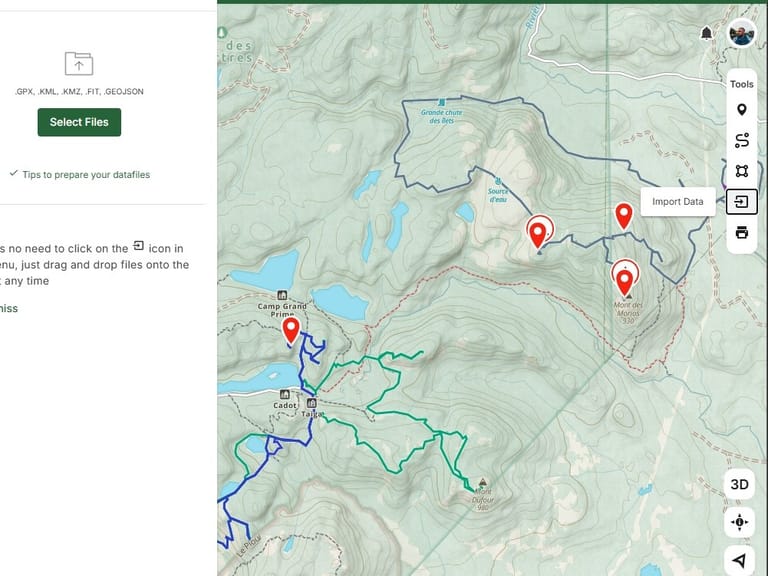
Caption: Importing A Route
Review the elevation profile
Use the elevation profile tool to understand cumulative gain, peak altitude, and where the steepest sections fall. This helps you plan your start time, pacing, and turnaround points; especially critical at altitude where pace drops significantly.
Mark key waypoints
Drop waypoints at trailheads, water sources, trail junctions, campsites, and emergency exit routes. If something goes wrong and you need to communicate your location, a saved waypoint makes all the difference.
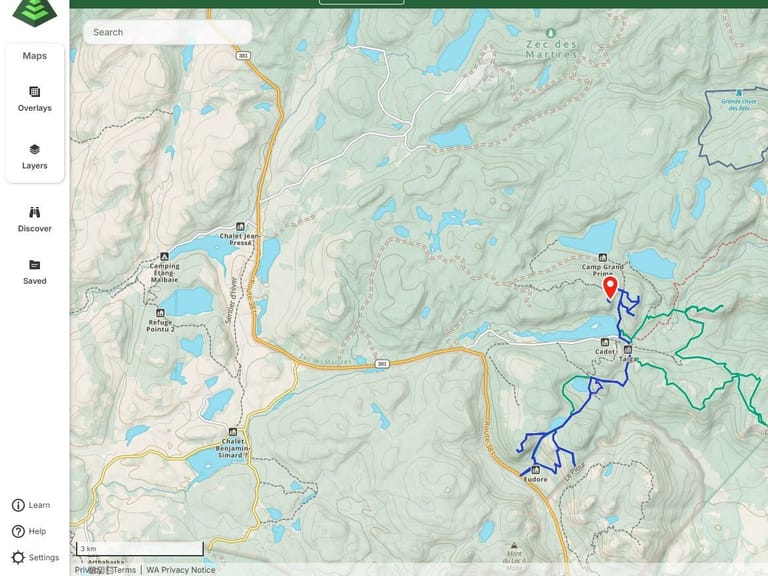
Caption: Route Waypoints
Enable GPS tracking and share your trip
Turn on Gaia's track recording before you set off. If you have a Garmin inReach or similar satellite communicator, you can share a live tracking link with a trusted contact at home; an essential safety layer for remote international trails.
🗺 Gaia Premium is worth it abroad
The free tier limits downloadable map sources. A Gaia GPS Premium subscription (~$40/year) unlocks all map layers including satellite imagery, which becomes extremely useful in areas where trail markings on the ground are ambiguous.
▶ Health & Physical Preparation
The physical demands of a foreign trail can be very different from what you're used to. Altitude, humidity, unfamiliar vegetation, and local wildlife all require some preparation.
Altitude acclimatization
If your hike goes above 2,500m (8,200ft), plan for acclimatization days. The golden rule: climb high, sleep low. Ascend no more than 300–500m of sleeping altitude per day above 3,000m. Consider visiting a doctor about altitude sickness medication (like Acetazolamide / Diamox) if you're going very high.
Vaccinations and health prep
- Visit a travel medicine clinic 6–8 weeks before departure
- Check CDC or WHO advisories for your destination
- Consider vaccinations for Hepatitis A/B, Typhoid, Rabies (for remote areas)
- Carry a personal first aid kit with antibiotics if recommended by your doctor
- Pack blister treatment, anti-diarrheal medication, and antihistamines
Training for the terrain
Start training 8–12 weeks in advance with hikes that progressively increase in distance and elevation. If you're doing a multi-day trek, train with a loaded pack cause your body needs to adapt to the weight on your hips and shoulders.
▶ Local Regulations & Trail Etiquette
Different countries have very different rules around camping, fires, waste, and wildlife interaction. Not knowing local regulations isn't a valid excuse and violations can result in serious fines or damage to fragile ecosystems.
Common things to research per country
- Wild camping — legal, prohibited, or zone-restricted?
- Open fire regulations (seasonal fire bans are common)
- Waste disposal — pack-in, pack-out policies
- Wildlife feeding laws and bear canister requirements
- Drone flight restrictions in national parks
- Respect for sacred or indigenous lands
- Designated trail-only zones (off-trail hiking may be banned)
🌱 Leave No Trace
The seven Leave No Trace principles are a universal baseline, but local ethics often go further. In countries like New Zealand and Iceland, even stepping off the marked trail can cause irreversible damage to fragile vegetation. Always follow posted signs over general guidelines.
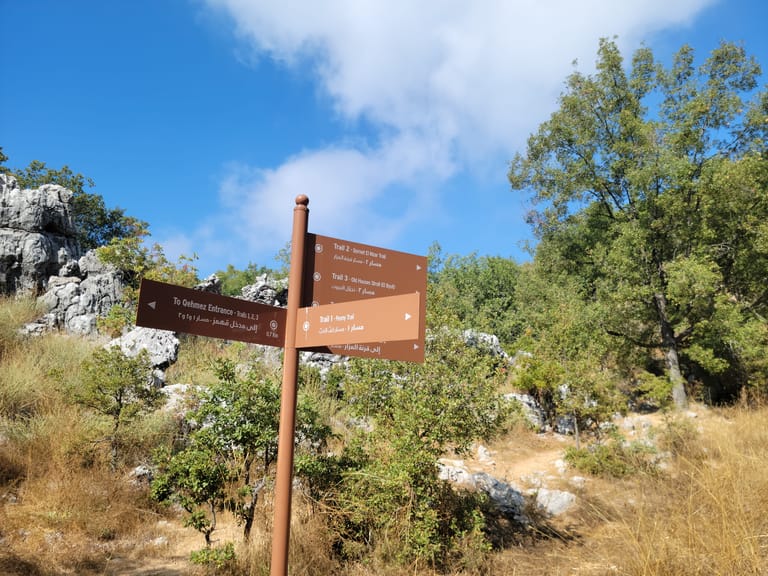
▶ Emergency Planning
The best time to plan for an emergency is before one happens. A few small actions before you leave the trailhead can make rescues faster and outcomes better.
Before you set off each day
- File a trip plan with your accommodation host or park ranger
- Share your route and expected return time with someone at home
- Write down the local mountain rescue and emergency number
- Know the nearest hospital or medical clinic
- Charge your devices and satellite communicator fully
Satellite communication
In areas without cell service, a two-way satellite communicator like the Garmin inReach Mini or SPOT X lets you send SOS signals, share your live location, and exchange messages with people at home. For remote international trails, this isn't a luxury, it's essential safety infrastructure.
🆘 Emergency Numbers Vary
Don't assume 112 or 911 works everywhere. Research the local equivalent for police, ambulance, and mountain rescue before you arrive. Save them in your phone and write them on a card in your pack.
Final checklist before any hike:
✅ Insurance docs saved offline ✅ Offline maps downloaded
✅ Permits in hand (or digital) ✅ Trip plan filed
✅ Weather checked ✅ Emergency contacts briefed
✅ Gear inspected ✅ Water filter packed
✅ First aid kit stocked ✅ Local emergency numbers saved
 A Note From Elie
Thank you for reading. If you enjoy personal reflections and honest thoughts about the outdoors, subscribe to my Substack where every week I slow down, look back at my adventures, and write what I actually felt out there.
Read on Substack2 Comments
Leave a Comment
Cassandre B.
May 1, 2026WOW!!! I've been searching for a website that would have the practical infos I'm searching for to go on big trips, thank you for giving us such great infos!!!! I'm subscribing to your newsletter right now! :D
EKadventure (Author)
May 1, 2026Thank you so much Cassandra! I'm really glad I was able to help with that :) So happy you subscribed & have fun on your Trip!